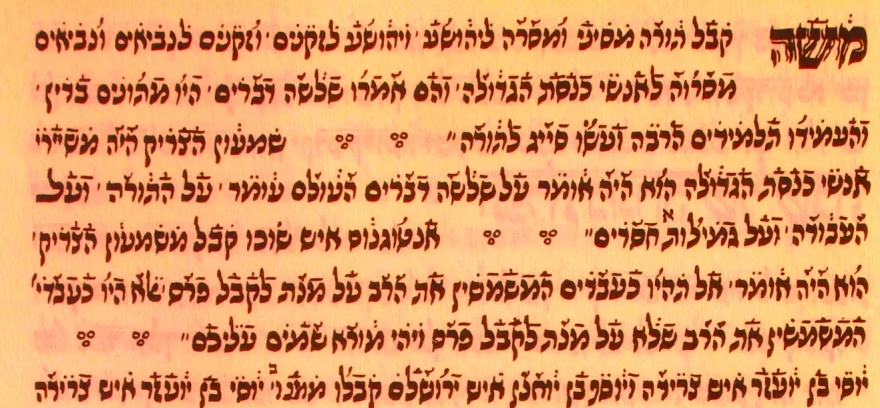
A consonantal text needed support for reading
Hebrew writing normally records consonants above all. An experienced reader knows the proper form through tradition and context, yet transmitting biblical and liturgical text created a need for greater precision. Scholars in several centers developed systems for vowels, stress, and musical division.
Babylonian signs stand above
The term supralinear describes their position above the letters. Tiberian vocalization, now most common in printed Hebrew texts, uses many dots and strokes below them. The difference is more than graphic. The systems may represent a different grouping of vowels and a distinct tradition of pronunciation.
Yemen preserved older scribal layers
Yemenite Jewish communities copied biblical, liturgical, and legal books for centuries, and some manuscripts retained Babylonian features longer than other regions. Each page reflects the movement of scholars and texts between Mesopotamia and southern Arabia together with the local labor of scribes.
Digitization permits comparison of tiny signs
A researcher needs to see the exact position of a dot or short stroke that can disappear in an ordinary reproduction. High resolution images connect manuscripts scattered across libraries and help identify a scribe’s hand. The original remains essential for studying parchment, ink, corrections, and the order of textual layers.