Water must circulate under control
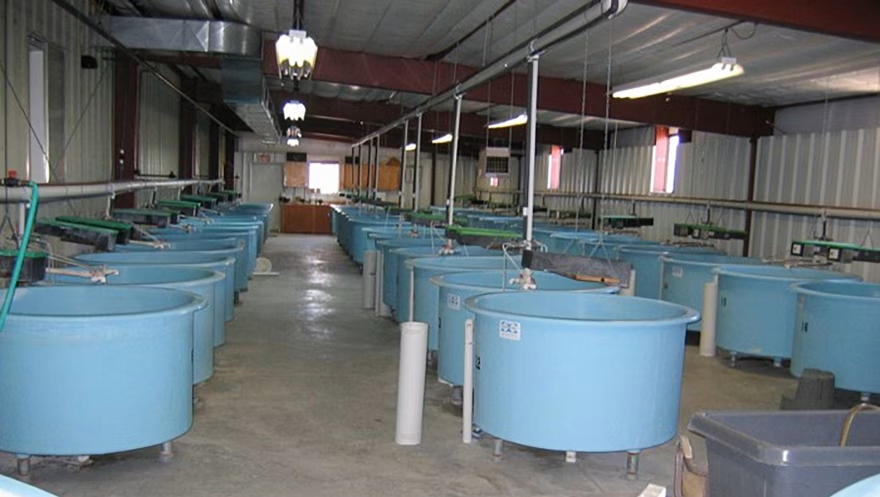
A recirculating system cleans and reuses much of its water. Operators need to monitor oxygen, temperature, acidity, nitrogen compounds, and flow. A single sensor disconnected from operations is not enough. A useful solution links measurement to an alert, a backup procedure, and a decision that a worker can carry out quickly.
Feeding determines cost and waste
Feed forms a major share of operating expense, while uneaten material damages water quality. A camera or acoustic sensor can estimate fish activity and adjust the dose. A pilot still has to show that savings do not produce slower growth, greater variation between fish, or more work for staff.
Biology slows testing
Results may appear only after a growth cycle. Equipment can be repaired within a week, but a lost group of fish cannot be replaced immediately. A pilot therefore needs a control group, a clear protocol, and veterinary oversight. A technology company must learn to work with a living system that does not respond identically every time.
The customer buys stability
A farmer does not need an impressive dashboard if the system increases the risk of failure. Value comes from lower water and energy use, better survival, predictable growth, and less dependence on manual work. A first operating reference matters because it shows that the startup’s solution worked beyond laboratory conditions.