An old ship carried far more people than designed
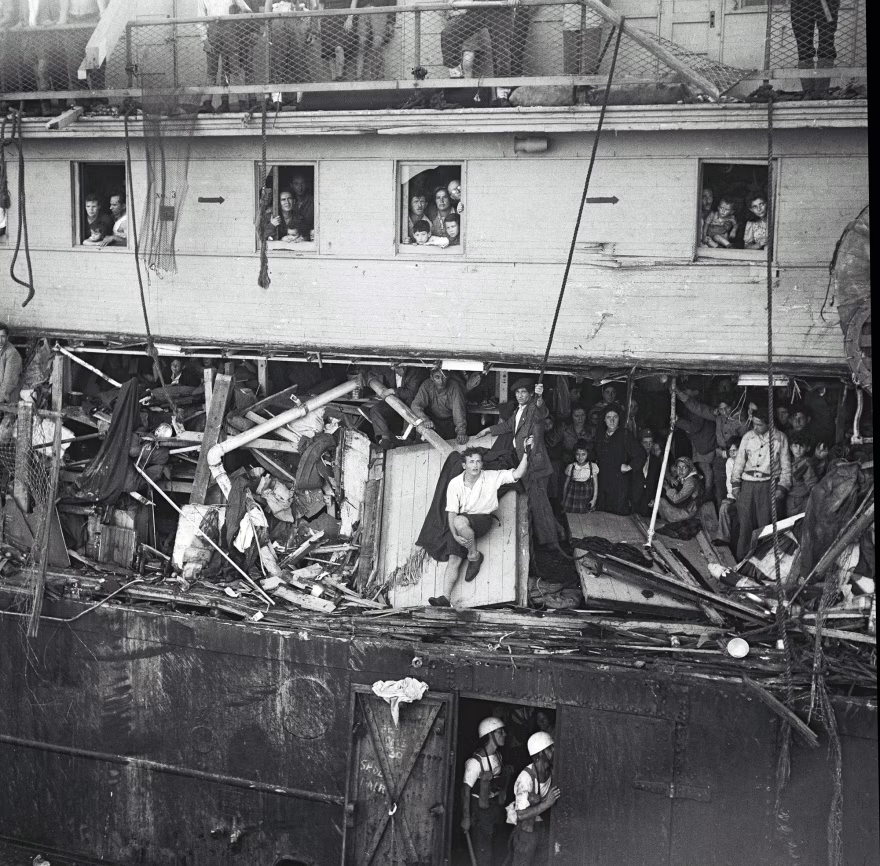
The vessel had originally operated as an excursion steamer in the United States. It was adapted for a clandestine immigration journey carrying thousands in crowded conditions. It sailed in July 1947 while Britain restricted Jewish immigration to Palestine despite the number of survivors still waiting in European displaced persons camps.
The interception off the coast was violent
British vessels boarded Exodus before it reached its destination. Three people were killed in the clash and many more were injured. Passengers were transferred to deportation ships in Haifa. They refused to disembark in France and after weeks of resistance were taken to the British occupation zone in Germany.
The return to Germany caused outrage
Images of people who had survived Nazi persecution being returned under armed guard to German soil gained worldwide attention. The event does not provide a simple explanation for later political decisions, but it damaged Britain’s image and strengthened public support for Jewish migration and statehood.
The symbol should not conceal individual passengers
The name Exodus entered novels, film, and national memory. Behind the symbol stood particular people with different families, losses, and ideas about the future. Passenger lists, testimony, and camp records restore dimensions of the story that the dramatic image of a single ship cannot preserve.