Language gives access to several layers
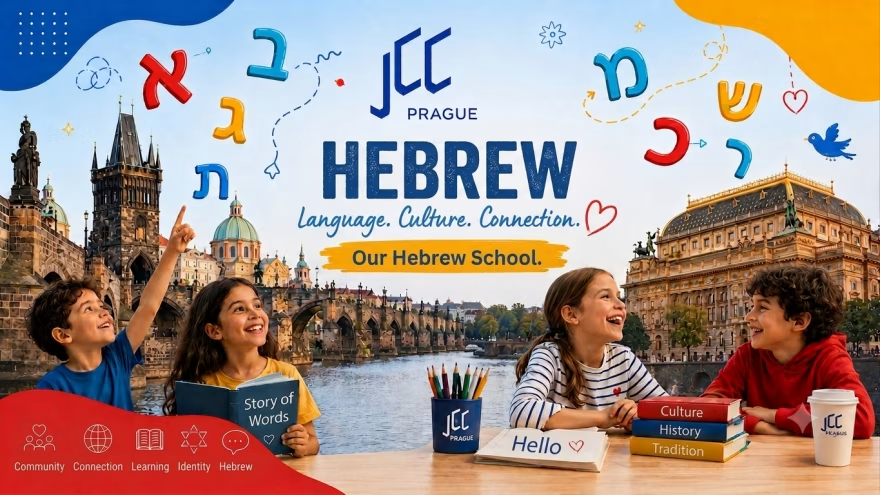
Hebrew is more than a tool for travel to Israel. Children and adults encounter it in prayer, songs, literature, family names, and contemporary media. A course can connect these worlds when it teaches not only vocabulary but also when and why different forms of the language are used.
Regular practice matters more than one performance
Learning a new script and unfamiliar sounds requires small repeated steps. Brief practice several times a week is usually more effective than a long session just before class. A family does not need to speak Hebrew. It can make time, ask about new words, and recognize progress without demanding perfection.
A group helps the language come alive
In a classroom students learn to respond to others rather than only complete an exercise. A shared game, song, or short dialogue gives words a social purpose. A community school can also bring together families with very different experience, from complete beginners to children who hear Hebrew at home.
Expectations should be clear before enrollment
Parents and students should ask about level, pace, home practice, and whether the course emphasizes modern language, liturgical reading, or both. A clear goal helps identify the right group. Registration is not only an administrative step. It begins an agreement about what the year of learning should provide.