Context
Programmes in Czech towns combine historic buildings with interpretation, walks and conversations with custodians. Visitors encounter more than architecture: they learn about a particular congregation, families and a changing neighbourhood. Each place still needs its own pace and a sensitive way of presenting difficult layers of history.
What matters
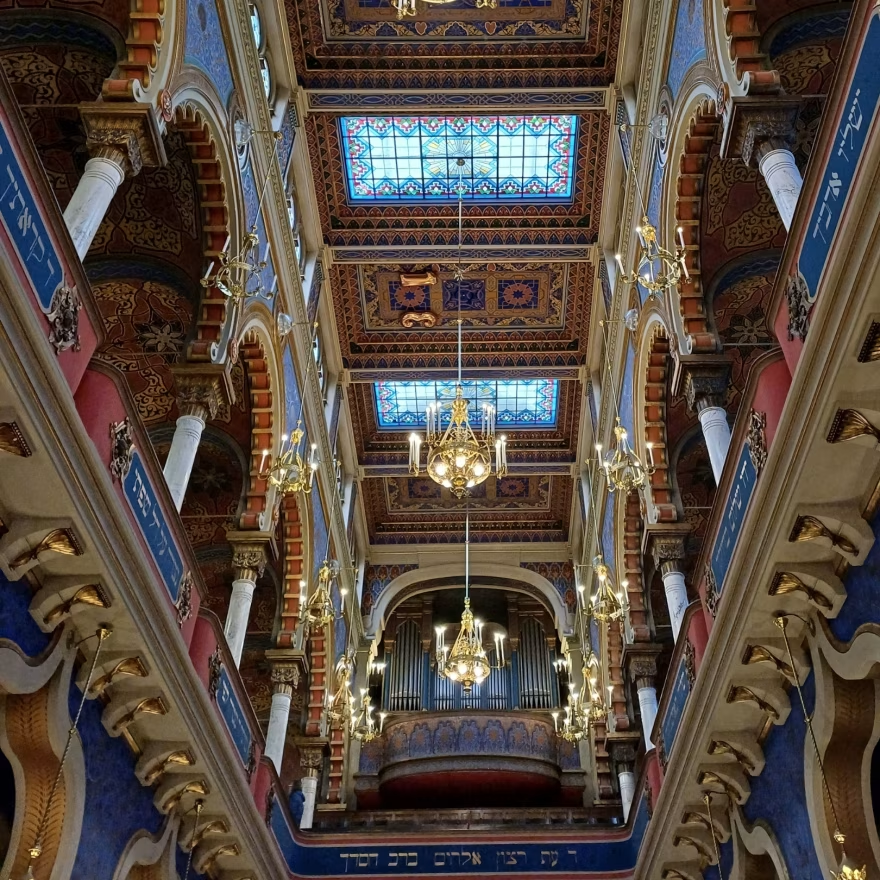
A Jewish monument is neither scenery nor a generic symbol of the past. A cemetery remains a burial place, while a synagogue may serve as a museum, cultural venue or active house of prayer. A thoughtful visit therefore begins with respect for local rules, the provenance of objects and the experience of the community.
Practical view
Before travelling, visitors should check opening hours, reservations, accessibility and photography rules. Reading labels, asking guides informed questions and supporting custodians through admission or a donation all help. Public attention can strengthen documentation and repairs, but it cannot replace continuous professional care.
Takeaway
The most valuable outcome is not the number of buildings visited, but a more precise relationship with a place. If someone remembers one family name, understands one ritual better or keeps contact with a local initiative, the open day has achieved a genuine community purpose.