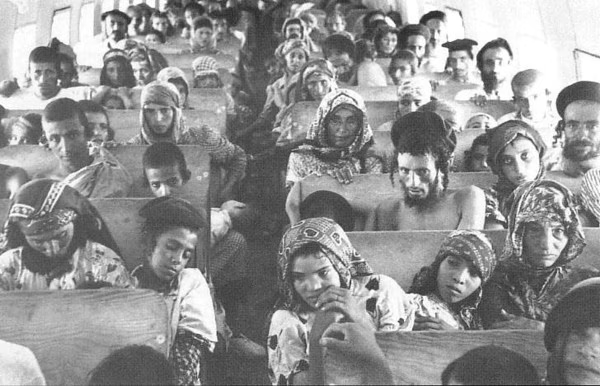
The journey began before the airport
Many families first had to leave remote towns and walk to a transit camp near Aden. They traveled with few possessions and faced disease, limited water, and uncertainty. The flight was only the final part of a movement that began with leaving a familiar home and communal environment.
The airlift required international organization
Hundreds of flights involved Israeli authorities, airlines, and the Joint Distribution Committee. Aircraft needed a regular route, supplies, and medical checks for passengers. The operation demonstrated the possibilities of modern transport while also showing the new state’s dependence on logistics and finance from abroad.
Arrival did not end hardship
New arrivals often moved into temporary camps and faced shortages of housing, employment, and health care. Cultural differences and a paternalistic approach by institutions created further tension. A narrative of rescue must therefore include the experience of people who lost property, status, and the ability to decide some parts of their own lives.
Yemenite heritage changed Israel
Immigrants and their descendants influenced liturgy, music, dance, crafts, food, and public culture. They also sought recognition for their own history and for injustices connected with absorption. The operation is not only a dramatic chapter in transport. It begins a long process that changed both the community and Israeli society.