Context
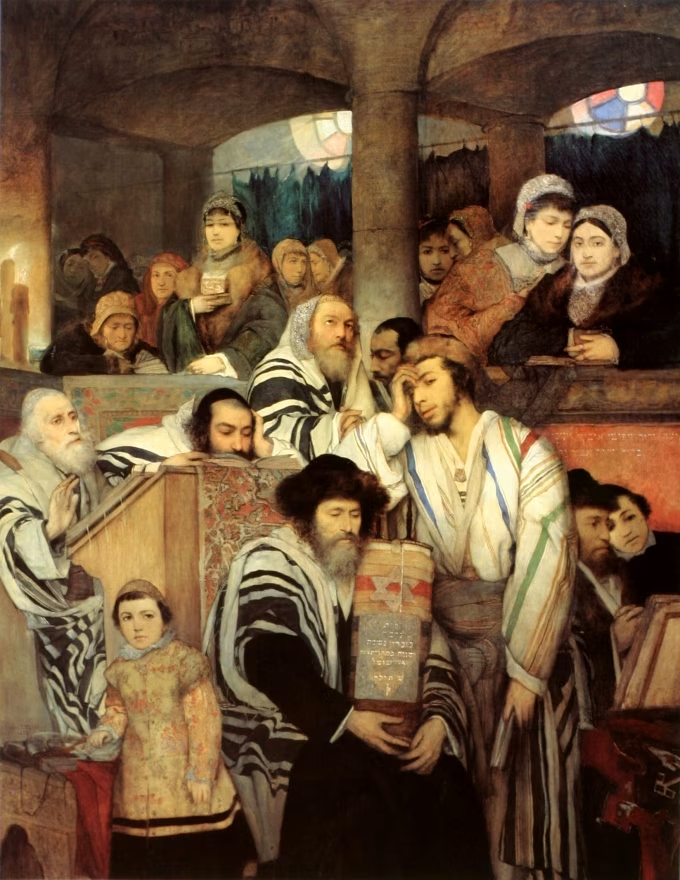
A family may need to organise food, candles, prayer books and travel to services. The community simultaneously plans seating, security, accessibility and information for newcomers. Clear instructions issued in advance reduce stress and leave more room for the meaning of the festival itself.
What matters
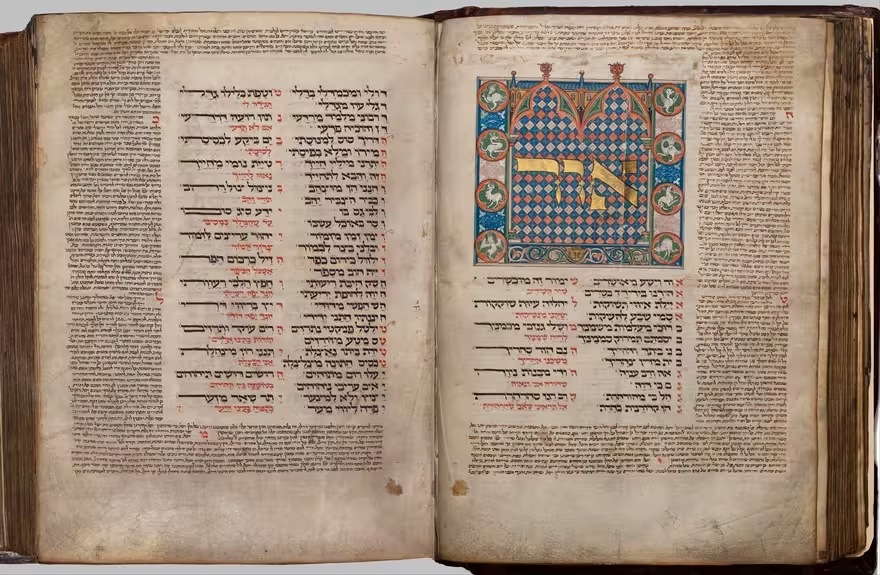
Not every participant knows the order of prayers or local customs. A welcome can briefly explain where to find the machzor, when the congregation stands and how the shofar service proceeds. Help should be discreet, without testing anyone’s knowledge or demanding a personal account of belief.
Practical view
Hosts should confirm allergies, transport and the number of places at the table early. A congregation can name a contact person for older people, families with children and visitors with limited mobility. Preparation is not display; it is a way to remove avoidable barriers.
Takeaway
Thoughtful organisation allows attention to move from logistics to prayer, reflection and relationships. Rosh Hashanah is not a contest for the most elaborate table. What matters more is whether each person can participate safely and with dignity.