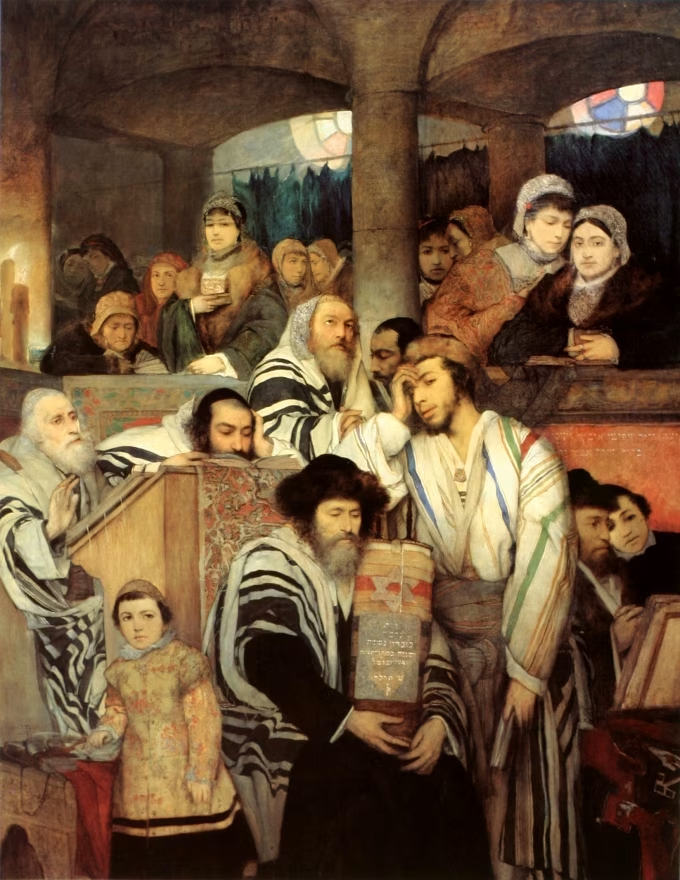
Context
The traditional sequence includes different sounds: the long tekiah, the broken shevarim and the short pulses of teruah. Their order is shaped by liturgy and local practice. The purpose is not to perform a melody, but to fulfil the commandment of hearing the shofar.
What matters
Listening also has a communal dimension. People unable to attend the main service may be offered another opportunity according to the congregation’s capacity. Organisers have to bring religious requirements together with accessibility, a calm setting and consideration for participants’ health.
Practical view
A visitor should follow the instructions of the particular synagogue and avoid conversation or photography during the blasts. It is not necessary to know every term in advance. Being present and listening matters more, while explanations belong before or after the relevant part of the service.
Takeaway
The shofar uses extremely simple means: breath and a horn. This restraint gives the sound its force. Instead of covering the listener with more words, it creates room for a direct question about what should change in the coming year.