The biblical story places evening before morning
The first chapter of Genesis repeatedly completes each stage of creation with evening followed by morning. Rabbinic tradition reads this order as a basis for a day that begins in darkness and moves toward light. The verse is not a technical instruction for a clock, but it became part of a wider method for measuring sacred time.
Sunset and night are not the same moment
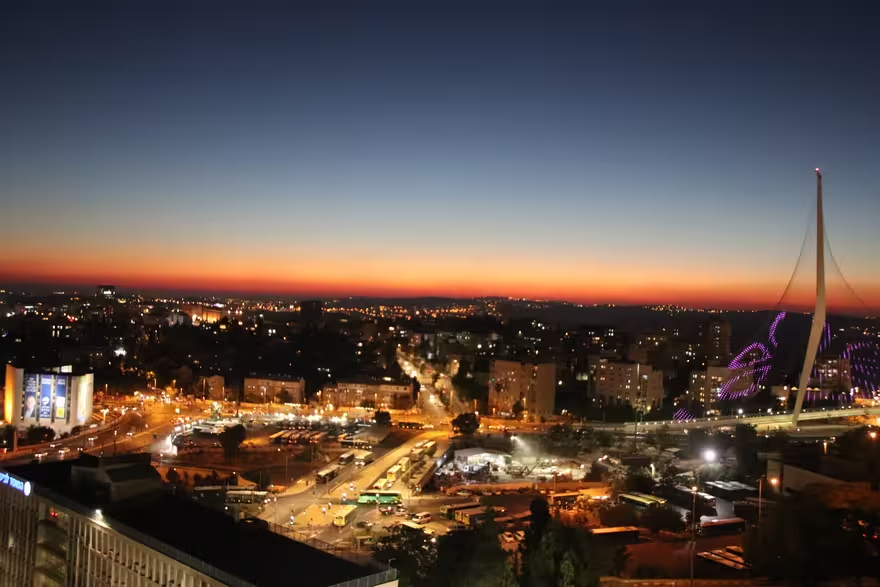
Twilight lies between the sun disappearing below the horizon and full night. Traditional law treats it as a period of uncertainty, so Shabbat is accepted before sunset and ends only after night arrives. Practical calendars calculate times by location and interpretive standard. Prague and Jerusalem therefore do not share the same hour.
A household changes rhythm before darkness
Candles are lit, work ends, and food is prepared before the day of rest itself begins. This margin protects the boundary and creates space to become calm. Shopping and cooking also finish before a festival. The calendar is therefore more than a list of dates. It shapes the organization of an entire day.
Two dates can confuse invitations
An event described as Friday evening already belongs to Saturday in the Jewish calendar. Planning should therefore state the civil date, time, and religious name. Precision is not formality. It helps people unfamiliar with the tradition and those who need to coordinate travel, work, and family obligations.