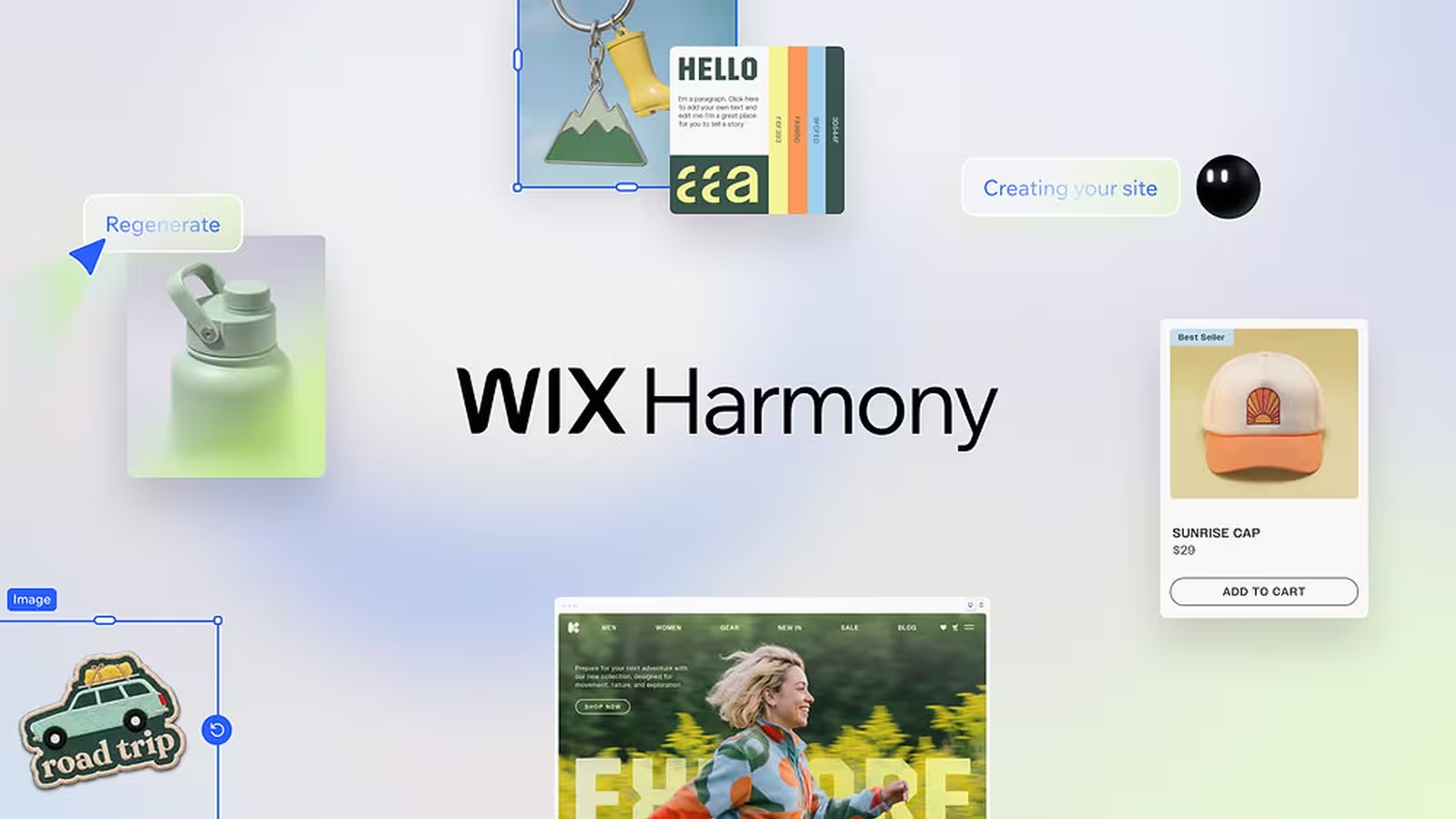
Generation and editing are no longer separate stages
Harmony lets a user alternate between instructions in natural language and precise work on a visual canvas: describe a section, generate it, then manually adjust dimensions, typography or content. Earlier generators often produced a quick draft but forced later changes into a separate mode or rigid template.
For a small business, the value is shortening the path to a working page, not the number of models involved. AI can accelerate drafts, but cannot decide the most important offer or what the firm may legally promise. It works best as an interface for decisions, not a substitute for strategy.
Wix builds on a complete commercial infrastructure
Wix links editing to hosting, domains, commerce, bookings, payments, marketing and customer management. A generated page can therefore use real business functions without making the customer solve deployment, security and integrations. Many small companies value that operational whole more than freedom in every technical detail.
Integration also creates lock-in. A business should understand content export, pricing, domain ownership and functional limits before placing its website, orders and customer data in one platform. Long-term costs, data portability and support matter as much as the first draft.
Natural language changes the role of templates
A traditional editor offers predesigned templates and sections. Conversation allows the user to state an intent, such as comparing services or addressing another audience. This creates more variants but also risks inconsistency: good-looking sections may combine into a site without rhythm, hierarchy or a single voice.
Harmony therefore needs a design system with global colours, type, spacing and components that the AI respects and explains. Opaque exceptions turn early speed into maintenance debt; quality appears on the tenth change, not the first demonstration.
Content needs factual and legal review
Generated text can invent references, overstate a health claim or describe a service the company does not offer. Images may be attractive yet wrong for the customer or brand. The owner must approve every public output, especially prices, terms, personal data and regulated claims.
Businesses should know how confidential prompt inputs are handled and preserve image sources and usage rights. AI does not replace editorial and legal processes. Version history, user roles and restoration of an approved version are therefore important platform features.
Agencies will sell decisions rather than clicks
Harmony may reduce routine variant building and move agency work towards briefing, research and optimisation. Clients may pay less for assembling sections but still need information architecture, analytics, content and integration with business processes. Value shifts towards responsibility for outcomes and continuous improvement.
Small agencies may serve more clients while facing more competition and price pressure. A studio with reusable components, checklists and approvals can use AI as a multiplier; random generation brings speed without quality. Wix must serve both direct users and professionals without removing necessary control.
What to verify before a real project
A trial should measure the whole task,from brief through mobile and accessibility to forms, analytics and publishing. Test a major late change, performance, multilingual work and team collaboration. An impressive blank-canvas prompt is only a fraction of website maintenance.
Harmony is Wix's attempt to retain users while interfaces can be generated in many tools. Its advantage may be trusted infrastructure and commerce; generation itself will become cheaper. Judge it by verified work removed, control retained and whether customers can complete their tasks.
Sources and editorial note
The Jews.cz editorial team prepared this article from the public materials below, distinguishing company claims, independently documented facts and editorial interpretation.