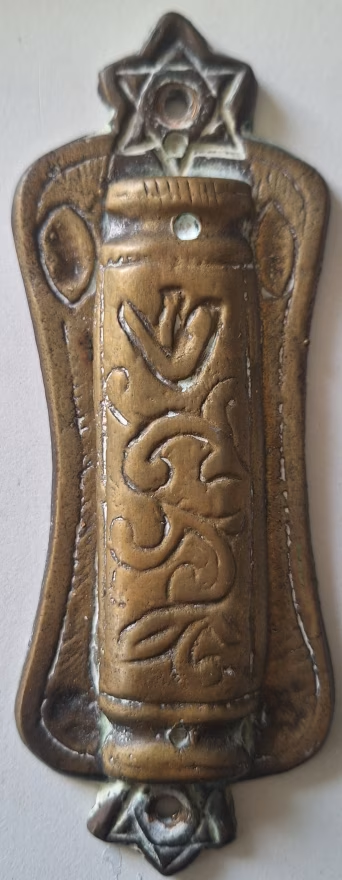
The scroll inside is essential
A case may be made of wood, metal, stone, ceramic, or glass, but the handwritten text carries the religious function. It contains two passages from the Shema and is prepared by a trained scribe. A decorative container alone is therefore not a complete mezuzah. It protects and makes the scroll visible.
Placement creates a relationship with the building
A mezuzah is attached to the right side when entering a room, according to the rules of a particular tradition. It behaves differently on an old stone portal and on a glass office partition. Design must account for rain, sunlight, moving doors, and the ability to inspect the scroll. Function directly shapes form.
Decoration reveals place and period
Historical cases carry silverwork, plant motifs, the Hebrew letter shin, and ornament from surrounding cultures. Contemporary artists use industrial metal, recycled material, or strong color. The same commandment acquires a different visual form in Morocco, Prague, Jerusalem, or New York.
Touch is not an obligation for every visitor
Many people touch a mezuzah when passing and then kiss their fingers, but customs differ. A visitor does not need to imitate a gesture without understanding it. It is more useful to know that the object marks the boundary of a home and recalls words intended to enter the daily conduct of its inhabitants.